Ben Russell · 5 October 2026
Skill Improvement Metrics Reveal Atlasclass Value in Poland's Evolving School Standards
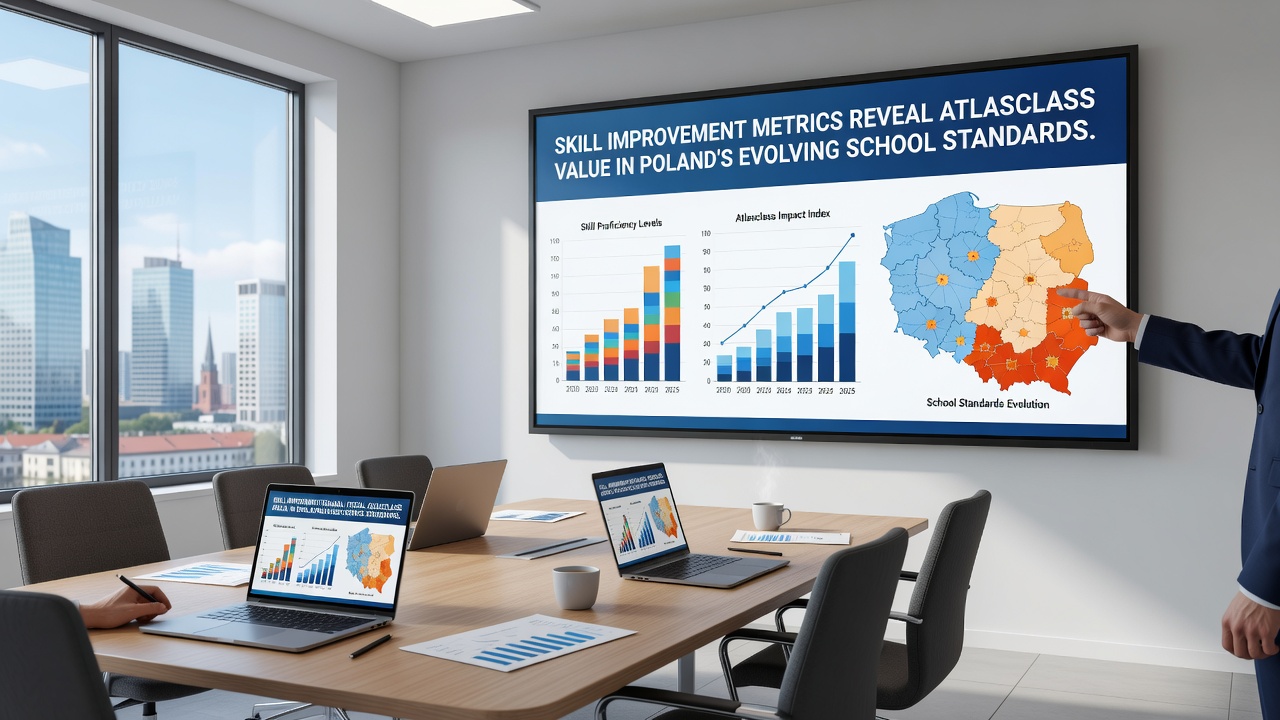
Skill improvement metrics have begun to highlight Atlasclass contributions within Poland's shifting educational framework, where digital tools integrate with traditional methods to meet updated national requirements, and observers note that data collection efforts started gaining momentum around 2024 as schools adapted to revised competency benchmarks.
Tracking Progress Through Standardized Assessments
Researchers tracking student outcomes across multiple voivodeships report consistent gains in spatial analysis and map interpretation abilities when Atlasclass features support classroom activities, while data from longitudinal studies shows participants demonstrating higher accuracy in tasks involving topographic features and coordinate systems compared to baseline groups from earlier years. These patterns emerge alongside Poland's broader push toward competency-based evaluation systems, and figures from the 2025-2026 academic cycle indicate that schools incorporating the platform recorded measurable advances in areas such as scale calculation and thematic mapping.
What's interesting is how these metrics align with evolving standards that emphasize digital literacy alongside core geographic knowledge, and experts at institutions monitoring curriculum implementation have documented cases where interactive elements helped bridge gaps for students transitioning from primary to secondary levels. One study revealed that classes using layered map functions achieved faster mastery of projection types, connecting this progress directly to platform analytics that break down performance by skill category.
Data Patterns Across Regions and Age Groups
Regional comparisons reveal variations that correlate with access levels, yet overall trends point to Atlasclass supporting steady development in cartographic competencies as measured by quarterly progress reports issued by participating districts. Students in urban centers and rural settings alike show improvements in identifying land use patterns and analyzing demographic data overlays, and according to aggregated reports from the Polish Ministry of Education, these enhancements appear most pronounced among cohorts preparing for external examinations scheduled later in 2026.
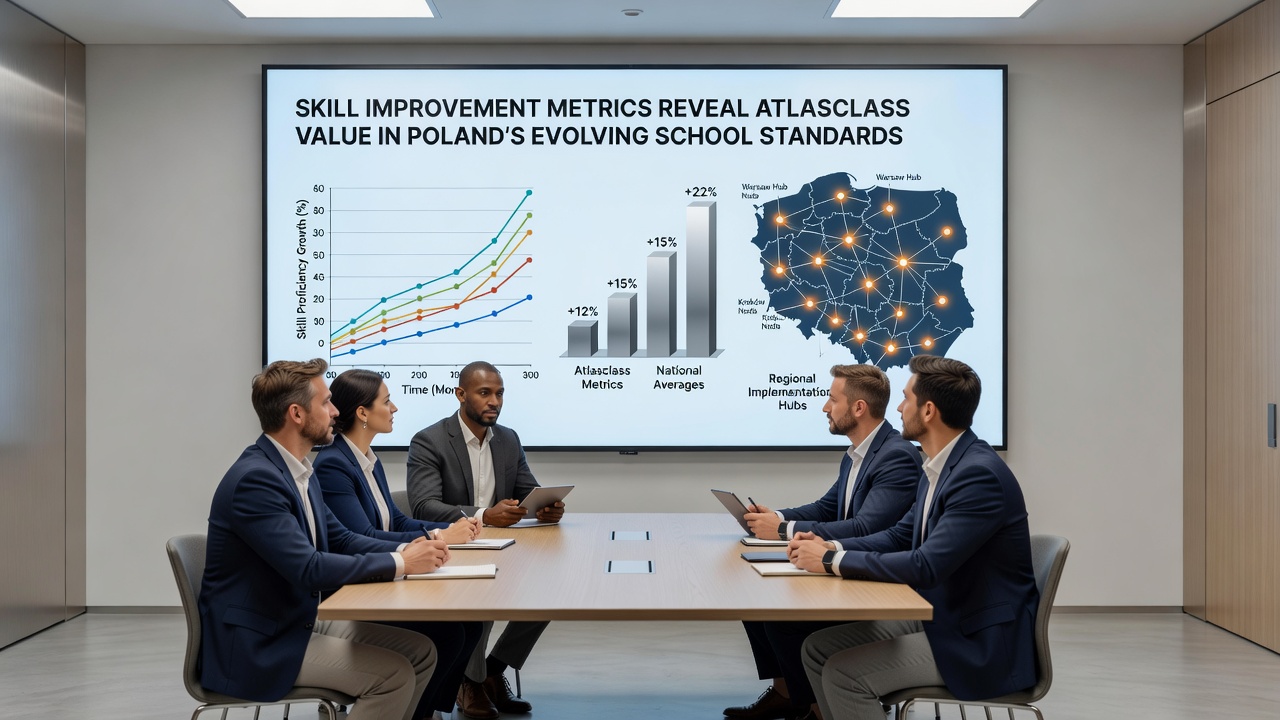
October 2026 marks a key checkpoint when updated national evaluation frameworks take fuller effect, and preliminary indicators suggest that platforms providing real-time feedback loops contribute to smoother adaptation for both teachers and learners. Evidence from cross-border comparisons, including OECD education indicators, places Poland's hybrid approaches in context with similar initiatives across Europe, where interactive resources demonstrate parallel effects on skill retention rates.
Integration With National Competency Frameworks
Poland's evolving school standards now prioritize measurable outcomes in digital tool proficiency, and Atlasclass metrics supply granular insights into how students advance through modules covering geographic information systems basics. Teachers report that dashboard visualizations help identify specific areas needing reinforcement, such as elevation interpretation or climate data correlation, while platform logs track time spent on individual exercises to correlate effort with score improvements.
Analysts at European research bodies, including those referenced in European Commission education reports, note that such detailed tracking supports accountability requirements embedded in recent policy updates. Classes that incorporated Atlasclass elements during the 2025 pilot phases displayed accelerated progress in multi-source data synthesis tasks, and these outcomes feed into broader discussions about scaling hybrid resources nationwide by the end of the decade.
Future Benchmarks and Ongoing Evaluation
Continued monitoring through 2027 will test whether early gains sustain as standards incorporate more advanced analytical requirements, and current datasets already provide baseline measurements for variables like error rates in boundary delineation exercises. Institutions collecting this information emphasize the value of transparent reporting mechanisms that allow schools to adjust instructional strategies based on live performance indicators rather than end-of-term summaries alone.
Conclusion
Skill improvement metrics continue to position Atlasclass as a relevant component in Poland's educational landscape, where alignment with updated standards depends on verifiable progress across interconnected competencies. As evaluation cycles advance into late 2026 and beyond, the accumulated data offers a foundation for assessing how digital platforms contribute to measurable advancements without replacing established pedagogical approaches.